How to Wake Up for Fajr and Actually Keep It Up
The habits that get you out of bed before dawn, drawn from the routines of people who rarely miss it.

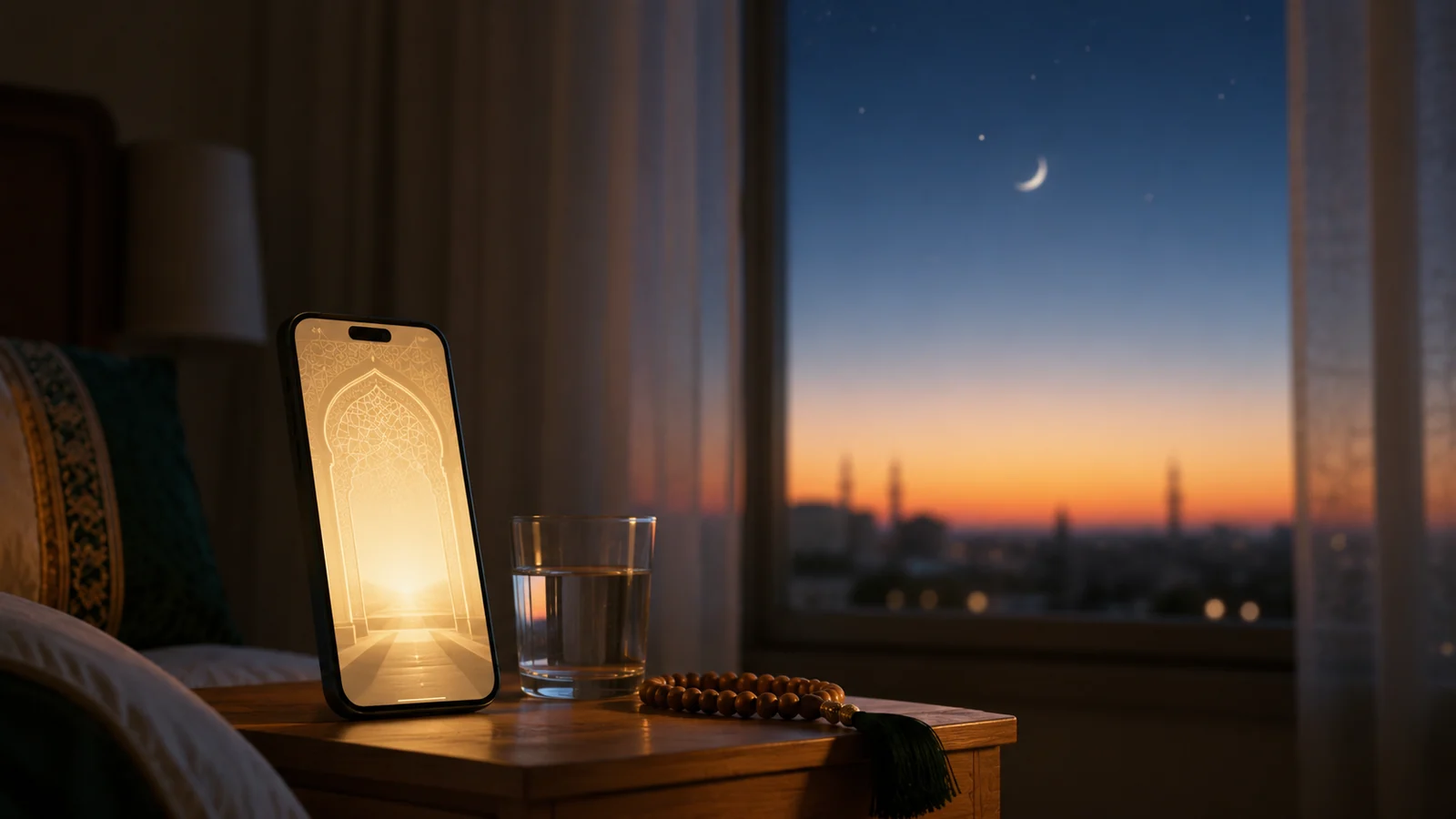
The alarm goes off in the dark. The room is cold, the bed is warm, and every part of you wants to stay exactly where you are. Fajr is the prayer that asks the most of us, and it is the one that gives the most back. If you have struggled to wake for it, you are in good company. The Prophet, peace be upon him, told us that the heaviest prayers for the hypocrites are Isha and Fajr, which means the difficulty itself is normal. The question was never whether it is hard. It is how to make it happen anyway.
Why Fajr is worth the fight
There is a reason the hour before sunrise carries such weight. The Prophet, peace be upon him, said the two light units of prayer before Fajr are better than the world and everything in it. He said that whoever prays Fajr is under the protection of Allah for the rest of the day. The angels of the night and the angels of the day meet at this prayer. Beyond the reward, there is something every early riser describes, a stillness in those first minutes that the rest of the day never quite repeats. You are not only praying on time. You are starting the whole day on the right side of a promise.
The truth nobody tells you: Fajr is won the night before
Most people try to solve Fajr at four in the morning, with willpower, and willpower at four in the morning does not exist. The honest secret is that you win or lose Fajr the night before. If you go to bed at one, no alarm on earth will save you. The single biggest change you can make is to sleep earlier. The Prophet, peace be upon him, disliked staying awake after Isha, and the wisdom of it lands the first morning you wake for Fajr without a fight. Treat your bedtime as the quiet act of worship it really is.
The habits that actually work
1. Sleep early, and guard it
Work backward from Fajr. If it falls around half past four and you need six or seven hours, you are in bed before eleven. Pray Isha, then wind down for real. The late evening on the sofa, one more episode, one more feed, is where the morning quietly slips away. Decide your bedtime once and defend it the way you would defend any appointment that mattered.
2. Put the phone across the room
The phone in your hand at midnight is the reason Fajr feels impossible. Charge it on the far side of the room, so that silencing the alarm forces you to stand, and so the last hour of your night is not handed over to a screen. If the phone is what keeps you up, the same tools that block distracting apps during salah can quiet it down at night too.
3. Sleep on the sunnah
Make wudu before bed, sleep on your right side, and say the words the Prophet, peace be upon him, taught for sleeping. There is a calm to ending the day in that state, and many people find they wake more lightly because of it. Before you close your eyes, set the intention to rise for Fajr. A heart that goes to sleep wanting the prayer wakes differently than one that does not.
4. Make the alarm impossible to sleep through
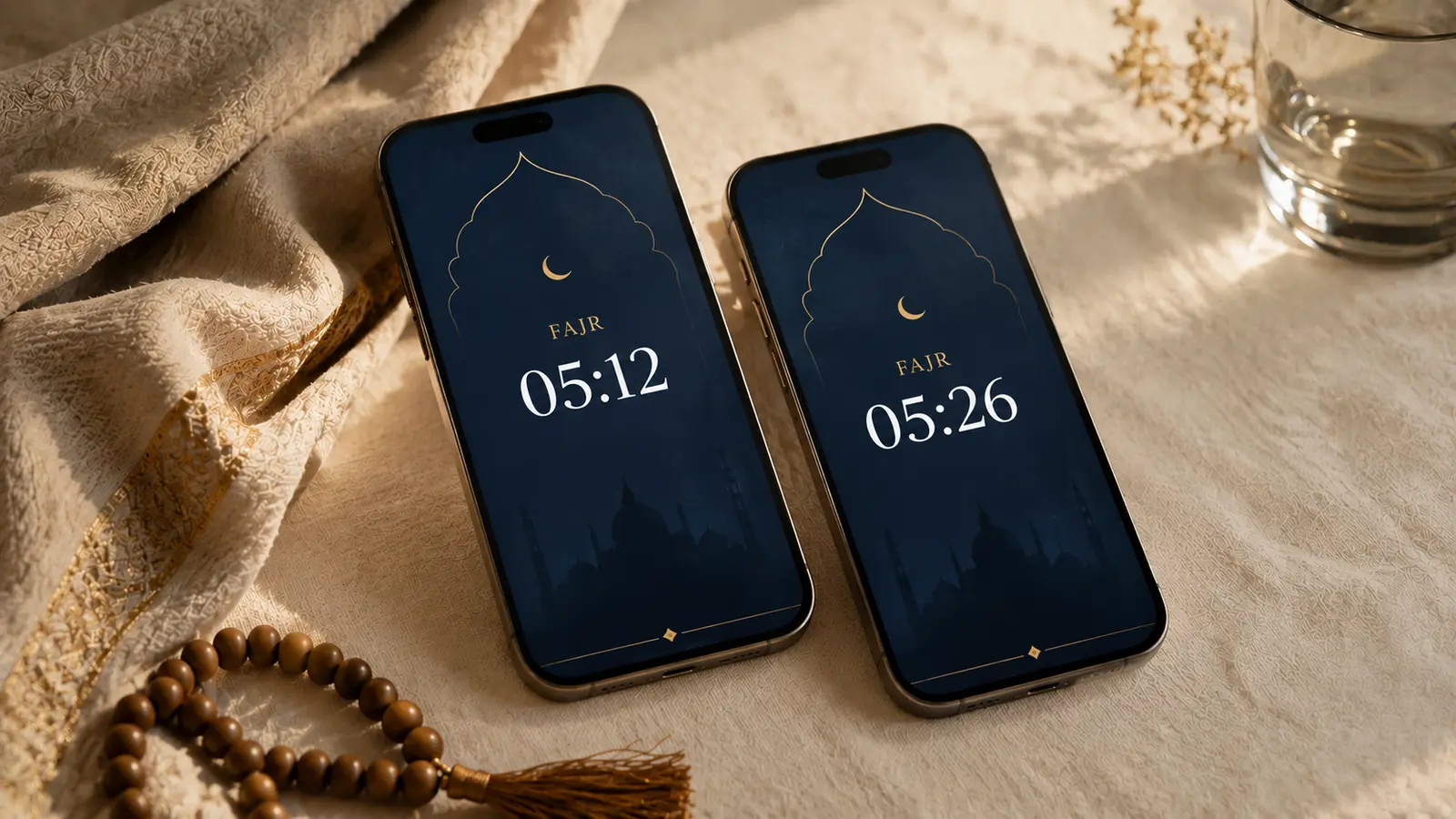
Let the first sound you hear be the adhan, not a buzzer, so you wake to a call to prayer rather than a noise to swat away. Set it loud, set it far, and if you are honest with yourself that one is not enough, set a second a few minutes later on the other side of the room. The aim is to take the decision out of the hands of your half asleep self.
5. Do not negotiate at the moment of waking
The snooze button is where Fajr goes to die. The trap is letting a barely conscious version of you decide whether to get up. So decide it the night before: when the adhan sounds, your feet hit the floor, no debate, no five more minutes. Keep a glass of water by the bed and drink it the moment you sit up. Small physical actions break the pull of sleep faster than any amount of resolve.
6. Repay your sleep with a daytime rest
The qailulah, the short rest in the middle of the day, is a sunnah for a reason. If waking for Fajr costs you sleep, take twenty minutes in the early afternoon rather than sleeping in past it. It keeps the rhythm intact and stops the weekend collapse that undoes a good week.
7. Do not break the chain on the weekend
Consistency is the whole game. Keep roughly the same sleep and wake times all seven days so your body learns the pattern and starts waking you on its own. The people who never miss Fajr are rarely the ones with the most willpower. They are the ones with the steadiest routine.
How an app carries the habit for you
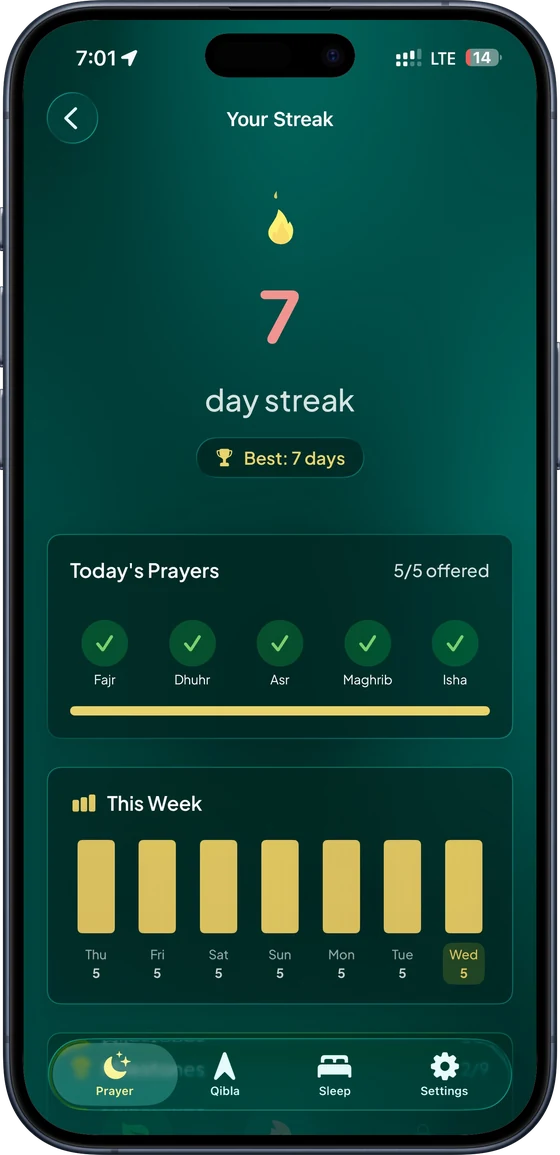
A good prayer app does three quiet jobs here. It gives you the exact Fajr time for your location, so you are never guessing and never caught out by the seasons. It wakes you with the adhan instead of a jarring alarm. And it keeps a streak, so the days begin to add up and you do not want to be the one who breaks the chain. I built Athanify so the streak and the pre Fajr reminder do the remembering for you, and so the day starts the way it should.
Start small, stay steady
You will miss some. Everyone does. The goal is not a flawless record, it is a steady one, where Fajr is the rule and not the exception. Pick the single easiest habit on this list, sleeping thirty minutes earlier tonight, and start only with that. The rest tends to follow once the morning stops being a war. The reward, in this life and the next, is waiting on the other side of getting up.
You do not rise for Fajr on willpower. You rise on the choices you made the night before.
Common questions
Why is it so hard to wake up for Fajr?
Usually because of when you sleep, not how strong your willpower is. For late sleepers, Fajr lands in the deepest part of the sleep cycle. Move your bedtime earlier and the difficulty shrinks dramatically. Fajr is won the night before, not at the moment the alarm rings.
How early should I go to bed to pray Fajr?
Work backward from your Fajr time and aim for six to seven hours of sleep. If Fajr is around 4:30, that means lights out before 11. Sleeping soon after Isha, as the sunnah encourages, lines up with this naturally.
Does a prayer app really help you wake for Fajr?
Yes, in two ways. It wakes you with the adhan at the exact Fajr time for your location, so you never guess and never sleep through it by mistake, and it tracks your streak so consistency becomes its own motivation. The habit is still yours, but the app removes the guesswork and the forgetting.
 Conclusion
Fajr is won the night before
Almost everything that decides whether you make Fajr happens before you sleep. The time you go to bed, where the phone spends the night, whether the alarm is somewhere you have to stand up to reach.
Start with one change rather than all of them, and give it two weeks before judging it. A streak you can actually keep is worth more than a perfect routine you abandon on the fourth morning, and consistency here compounds in a way very few habits do.


Keep reading
All articles in the Journal →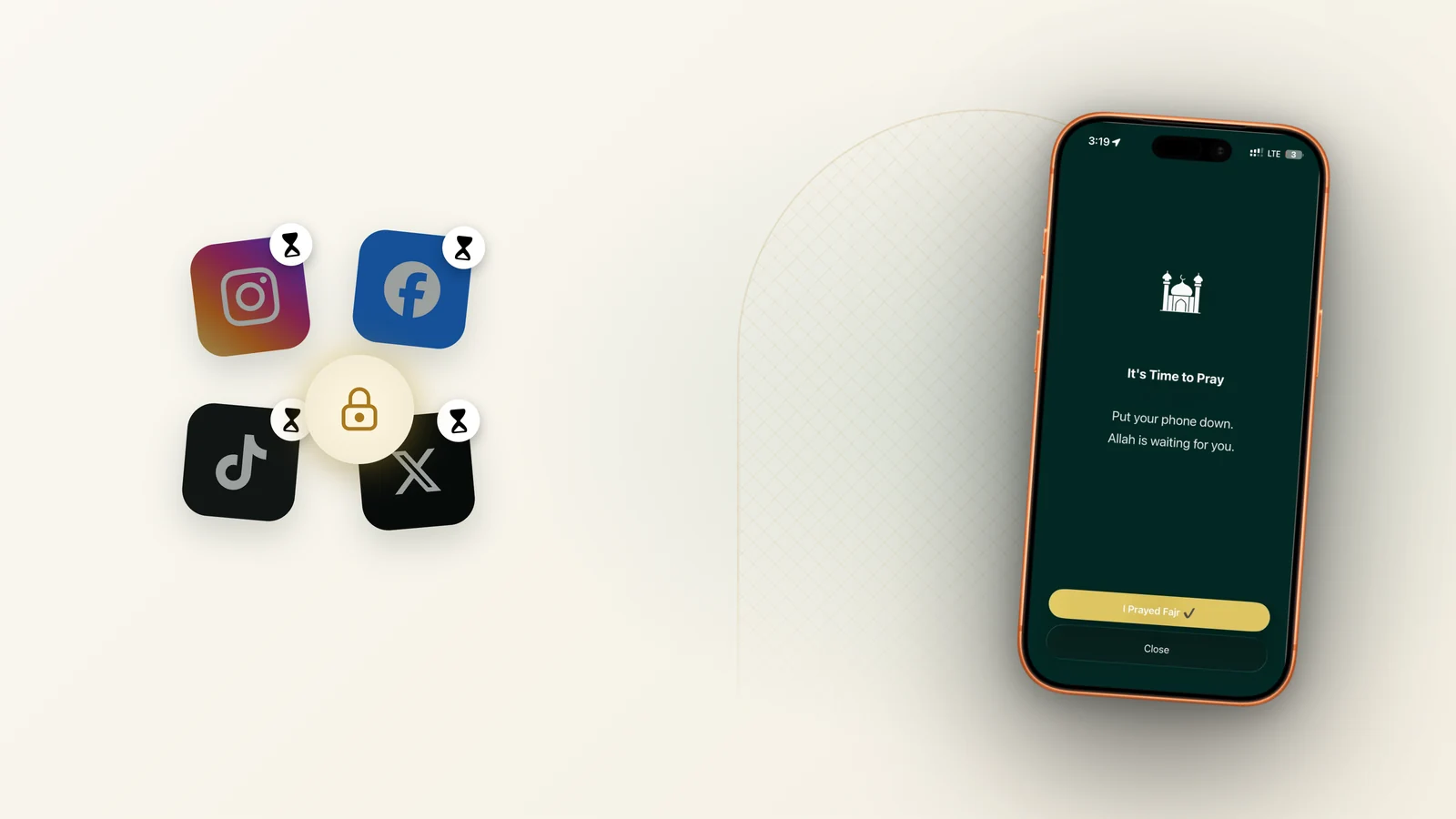
Senior iOS engineer and the founder of Athanify. Over six years he has shipped sixteen apps on the App Store to users in more than fifty countries, with deep work in Apple's Screen Time framework, payments, encryption and on device AI. He built Athanify on his own, from the first sketch to launch, and writes here about praying well in a world full of screens.